












Understanding the different grades of aluminium
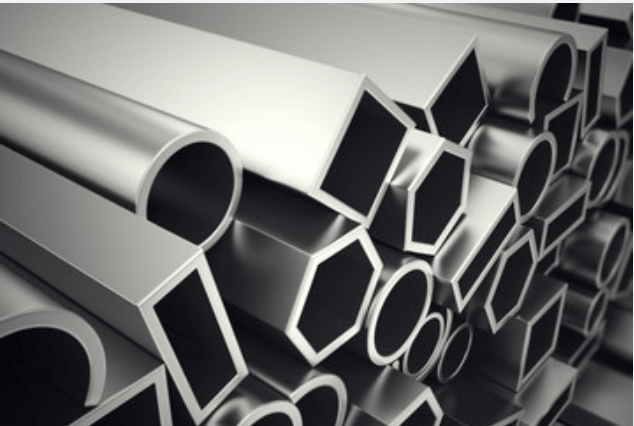
Aluminium grades: an overview
- 1000 series: the purest commercial aluminium grades, containing at least 99% pure aluminium
- 2000 series: alloyed with copper for increased strength
- 3000 series: these alloys contain manganese, and are often used for chemical and food equipment
- 4000 series: these alloys are wrought with silicon, lowering their melting point
- 5000 series: alloyed with magnesium, corrosion resistant but non-heat treatable
- 6000 series: alloyed with magnesium and silicon, and respond well to heat treatment
- 7000 series: contain zinc, the highest-strength commercial grades of aluminium
Choosing a suitable grade of aluminium for your desired application, whether it be industrial or architectural, will depend on the qualities of that alloy. Different alloys have different benefits, including workability, corrosion resistance, heat treatability, electrical conductivity, strength and tensile properties.
Aerospace Applications
Aluminium used for aerospace applications needs to be highly durable and withstand harsh conditions—making high strength alloys from the 7000 series such as 7050 and 7075 popular in the aerospace industry. Alloy 6061 is also popular for lighter aircraft as it is light, strong and easily workable. Alloy 2219 can be used for aerospace parts exposed to high temperatures, such as engine parts.

Architectural Applications
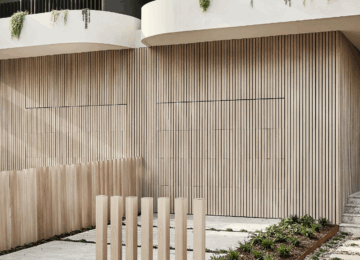
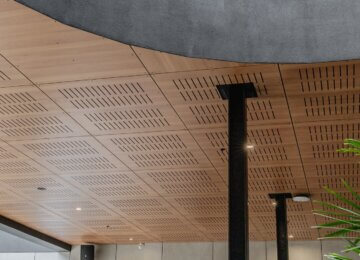
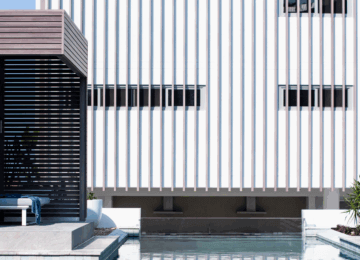
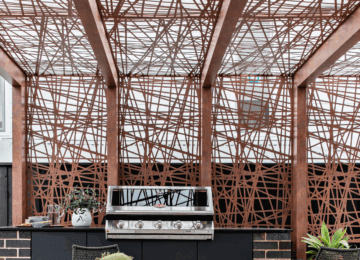
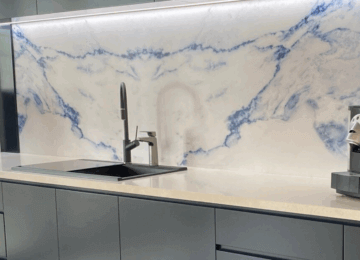
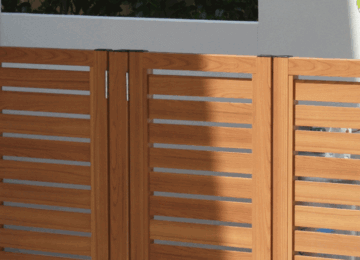
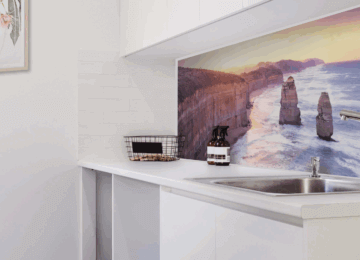
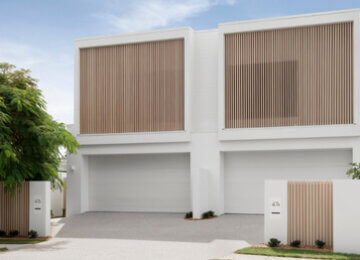
Architectural aluminium must be able to resist varying degrees of tension without breaking, compressing or bending – such as when it is used on a building façade. The 6000 series are tensile grades of aluminium commonly used for architectural applications. Allows 6063 and 6061 are durable extrusions for internal and external architectural applications, and have the bonus of being corrosion-resistant. DECO external architectural products such as DecoClad and DecoBatten are made from 6000 series alloys. For internal applications exposed to water and heat such as splashbacks, the corrosion-resistant 5000 series is highly suitable – DecoSplash is typically made from a 5000 series alloy.
Electrical Applications
Purer grades of aluminium are more electrically conductive, and therefore the 1000 series, such as alloy 1350, are ideal for applications which require an unhindered flow of electricity, such as power grid lines and bus bars.
Food trays and food packaging applications
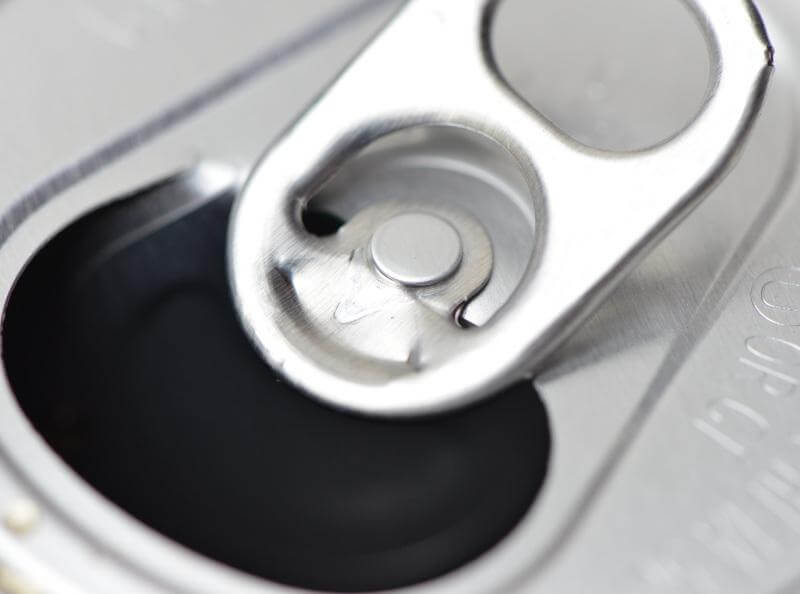
The 1000 series are highly workable alloys, meaning they can easily be formed into intricate shapes. Alloy 1100 is especially suitable for applications with multiple indents, such as pie and muffin trays. The pliability of the 1000 series also makes it excellent for thin foil food packaging. Alloy 3003 is also easily workable, and often used for soft drink cans.
Marine Applications
Marine applications such as shipbuilding require corrosion-resistant alloys that can also withstand frequent salt water exposure. The 5000 series are known as ‘marine grade’ aluminium alloys and are typically used for marine applications – 5083 is a common shipbuilding alloy, while the more workable 5052 is often used for decorative or intricate features on marine vessels. Other grades of aluminium can be made more corrosion resistant by adding a protective coating such as anodising or powder coating.

Mechanical Applications
High-strength alloys are key for hardwearing mechanical applications and machinery parts undergoing heavy-duty use. Alloy 7075 is one of the highest-strength commercial alloys available, and is frequently used for heavy duty machinery. The 2000 series alloys are also renowned for their high levels of strength and durability and are popular for machinery and mechanical applications – particularly 2011, 2014 and 2024.
To find out more about aluminium and its applications, protective coatings to increase the durability of aluminium, and our Super Durable™ finishes, contact us.
Receive tips and trends
straight to your inbox
Get the latest news about Deco's new products and project updates.