
Using Timber-look aluminium in your fencing designs.
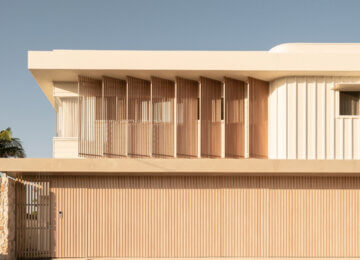
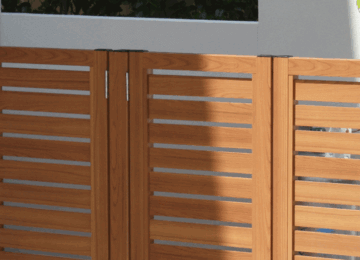
Batten fencing is a fence made from a series of battens — long, slim profiles — fixed with a consistent gap between each one. The gap is what gives batten fencing its signature look: enough screening for privacy, with a little light and air still coming through. It suits front fences, boundary fences, courtyards, pool surrounds and gates, and it pairs neatly with a matching batten screen or gate.
Battens come in a few shapes (square, rectangular and rounded) and a range of widths, so you can dial the look from fine and delicate to bold and solid. The material you pick sets how much upkeep the fence needs over its life.
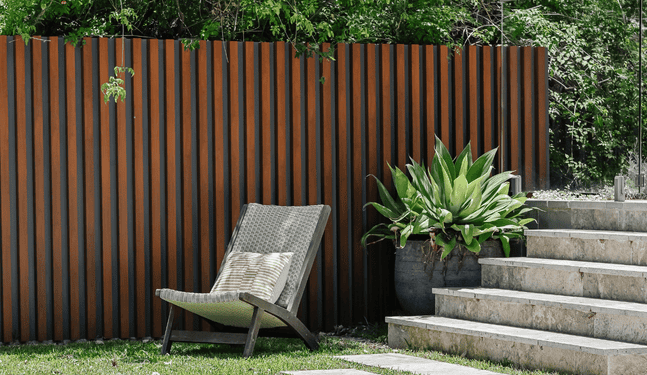

What are batten fences made from?
Two materials dominate batten fencing, plus one middle option.
- Timber battens — natural wood with real grain and warmth. Beautiful, but timber weathers, greys and needs oiling, and it can warp, split or rot outdoors.
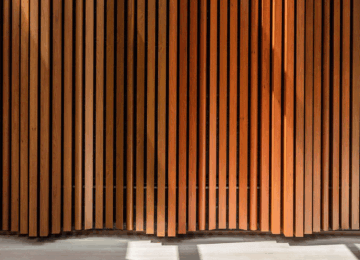
- Timber-look aluminium battens — aluminium profiles with a woodgrain finish. You get the timber look, and the fence won’t rot, warp or need re-oiling. Lightweight and stable in the Australian climate.
- Composite battens — a wood-plastic blend; lower upkeep than timber, though it still has a plastic content and can fade or sag over long spans.
How does it compare?
Here’s how to compare on what matters for a fence.
| Feature | Timber Battens | Composite | Timber-look Aluminium |
|---|---|---|---|
| Look and Feel | Natural grain, warm aesthetic | Wood-look | Woodgrain sublimated finish |
| Maintenance | High. Repeat maintenance like sanding and oiling | Medium. | Low. Occasional wash recommended |
| Warps, rots, splits | Medium. Possible when used externally | Medium. Depending on the environment | Very low. Does not warp, rot or split |
| Weight | Medium. Variables in timber type | High. Heaviest of these three | Light. Hollow extrusions reduce weight, without reducing performance |
| Likliness to remain straight over long runs | Low. Can bow over long lengths | Low. Tends to sag as material ages/td> | High. Dimensionally stable |
| Lifespan | Medium, with upkeep | Medium, depending on material composition | Long lifespan |
| Cost Review | Low – Mid upfront. Ongoing upkeep after installation can add up | Mid | Premium |
The pattern is the same as most outdoor products: timber looks the part but asks the most of you over time, while timber-look aluminium keeps the look with the least work — which is why it’s DECO’s core offer through DecoBatten® timber-look battens.
Horizontal vs vertical batten fencing.
Both directions use the same battens — the orientation changes the whole feel.
- Horizontal battens read as modern and architectural. Long horizontal lines can make a yard feel wider, and the style suits contemporary homes. Runs need proper support so the fence remains stable.
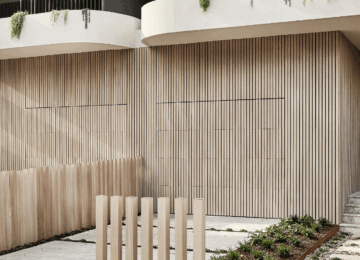
- Vertical battens feel more classic and can make a fence look taller, which helps for privacy on a boundary. Water also runs off vertical battens easily.
There’s no wrong answer — match the direction to your home’s style and what you want the fence to do. Timber-look aluminium works well either way because it remains straight over long runs.
Batten spacing, privacy and airflow
Spacing is the lever that sets how private and how open your fence feels. Tighter gaps give more privacy and screening; wider gaps let through more light and breeze and feel more open.
Think about sight lines from the street and neighbours, prevailing breezes, and how much greenery you want to show through.
Getting the spacing right matters as much as the material — see DECO’s guide on choosing the batten spacing for your project.
Batten fencing design ideas
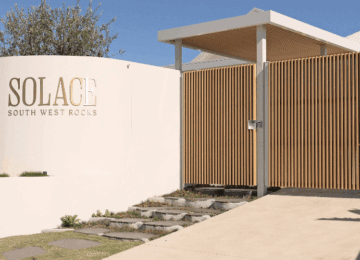
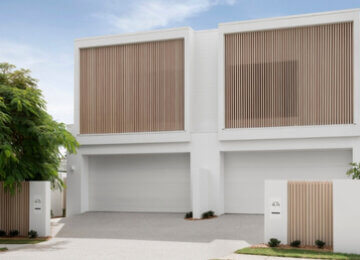
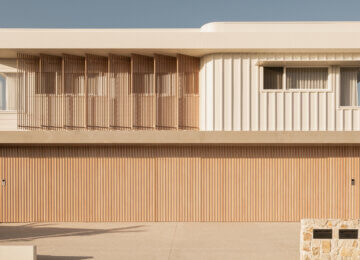
Front fence + matching gate in one finish for a clean street frontage.
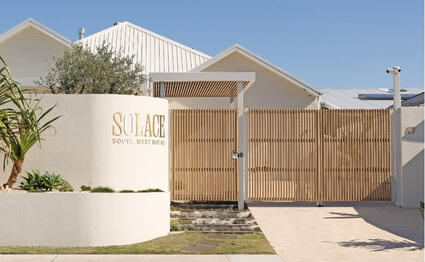
Front Fence and Matching Gate
Feature entry pairing battens with rendered or stone piers, and interesting shapes to create a unique facade.

Feature entry
Full-privacy boundary with tighter spacing along the sides

Full-privacy boundary
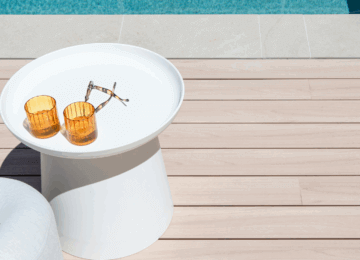
Pool surrounds that screens without boxing the area in (check pool-fence rules — see below).

Pool surrounds
Fence-to-screen flow, carrying the same battens into a carport or courtyard screen for a joined-up look.

Fence-to-screen flow
How much does batten fencing cost?
Batten fencing can vary widely. What drives the cost:
- Material — timber vs composite vs timber-look aluminium, and the profile and finish chosen.
- Fence length and height — total lineal metres and how tall it runs.
- Batten spacing — tighter spacing uses more battens per metre.
- Posts and framing — the supporting structure and fixings.
- Site and access — sloping ground, existing fence removal and access.
- Installation and location — labour and regional rates.
Compare the whole-of-life cost, not just the upfront price — timber’s ongoing oiling adds up next to a wash-only aluminium fence.


Check the rules before you build
Fencing rules — height, boundary and cost-sharing with neighbours — vary by state and council, and pool fences have their own safety standards.
Talk to your neighbour early about a shared boundary fence, and check your local council or state fair trading office (for example, NSW Fair Trading) before you build.
How to choose your batten fence: Step by step.
A castellated facade only looks as good as its installation. The pattern amplifies any board that is out of line, so set-out matters more than with flat cladding. Here is the standard process for installing aluminium castellated cladding.
Step 2: Pick the material
Weigh look against how much upkeep you’ll actually do.
Step 3: Choose direction, profile and spacing
Choose horizontal or vertical battens and a square, rectangular or rounded profile. Set the spacing to balance privacy and breeze; view a sample run if you can.
For more information on the different DecoBatten shapes and profiles, click here.
Step 4: Get a quote.
Get a supply-and-install quote for your final length, height and finish.
If you’re ready for a quote, click here and one of team and help.
Common mistakes to avoid
- Costing the battens only.
Timber oiling and repairs add up — compare whole-of-life costs. - Guessing the spacing.
Too wide loses privacy; too tight looks solid and costs more. - Skipping the council check.
Height and boundary rules can force a redesign. - Under-building the frame.
Long horizontal runs need proper support to ensure it is structurally sound. - Choosing a finish off a screen.
View your preferred woodgrain finishes as real samples in daylight and shade.
Final thoughts
Batten fencing gives you a modern, architectural fence with as much or as little privacy as you want. Decide the look and how much upkeep suits you, get the spacing right, and check your local rules before you build. If you love the timber-batten look but not the oiling and warping, timber-look aluminium gets you there with a wash instead of a weekend of maintenance.
Want to see a finish or profile in person? Request a free sample, or explore DecoBatten® battens and fencing options with DECO’s team.
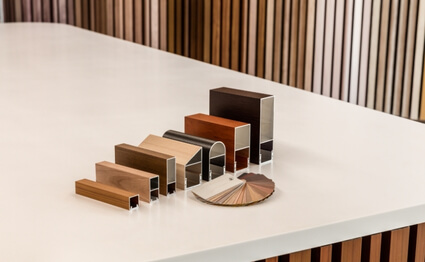
Free Quote for your batten fence.
Ready to design your batten fence?
Order a free sample of our One-piece or Two Piece DecoBatten profiles, request a quote for your project, or book a private appointment at the DECO Innovation Centre in Minto, NSW.
Frequently Asked Questions: Stylish Batten Fencing
What is batten fencing? 

Batten fencing is a fence built from evenly spaced battens, set vertically or horizontally. The gaps give a modern look with partial privacy and airflow. It’s made in timber, composite or timber-look aluminium.
Is aluminium batten fencing better than timber?
For low maintenance, yes — timber-look aluminium keeps the woodgrain look but won’t rot, warp or need oiling. Timber wins on pure natural authenticity but needs regular upkeep.
Should batten fencing be horizontal or vertical?
Horizontal reads modern and can make a yard feel wider; vertical feels classic and can make a fence look taller for privacy. Match it to your home’s style and what the fence needs to do.
How much privacy does batten fencing give?
It depends on the spacing. Tighter gaps give more privacy and screening; wider gaps let through more light and breeze. You choose the balance.
How much does batten fencing cost?
It depends on material, length, height, spacing and installation. There’s no single price — ask for a supply-and-install quote for your fence.
Do I need an installer or can I DIY?
Any builder or trade, or an experienced DIYer can install a DecoBatten® fence with our installation guide.
For a difficult or intricate project, we strongly recommend engaging a DECO installer in your area.
Do I need council approval for a batten fence?
Often there are height and boundary rules, and pool fences have their own safety standards, and these vary by state and council. Check with your local council before you build or renovate to ensure it’s safe and complies.
How long does castellated cladding last?
Aluminium battens with a DecoWood or DecoCot finish is engineered to last. The pre-treated aluminium substrate is strong, highly durable, and resistant to corrosion and will not rot or warp. The Super Durable™ powder coat finish offers a 12 year warranty suitable for coastal and city locations and only requires minimal maintenance to keep the finish looking great.
How do you maintain aluminium batten fencing?
With no sanding, staining, oiling or painting needed, just a wash in accordance with the DECO Maintenance guide is all you need.